Free UK Delivery on All Orders — British Made, Dispatched Same Day

By Lukasz Jankauskas2026-05-075 min read

Best Wireless Cat Water Fountain & Odour Guide: How to Get Rid of Cat Litter Smell for a Fresh UK Home

A practical guide for UK cat owners seeking the best wireless cat water fountain alongside proven strategies to eliminate litter tray odours — covering cordless hydration tech, stainless steel builds, quiet operation, and smell-busting solutions tested in real homes.

Why Go Wireless? The Case for Cordless Cat Fountains

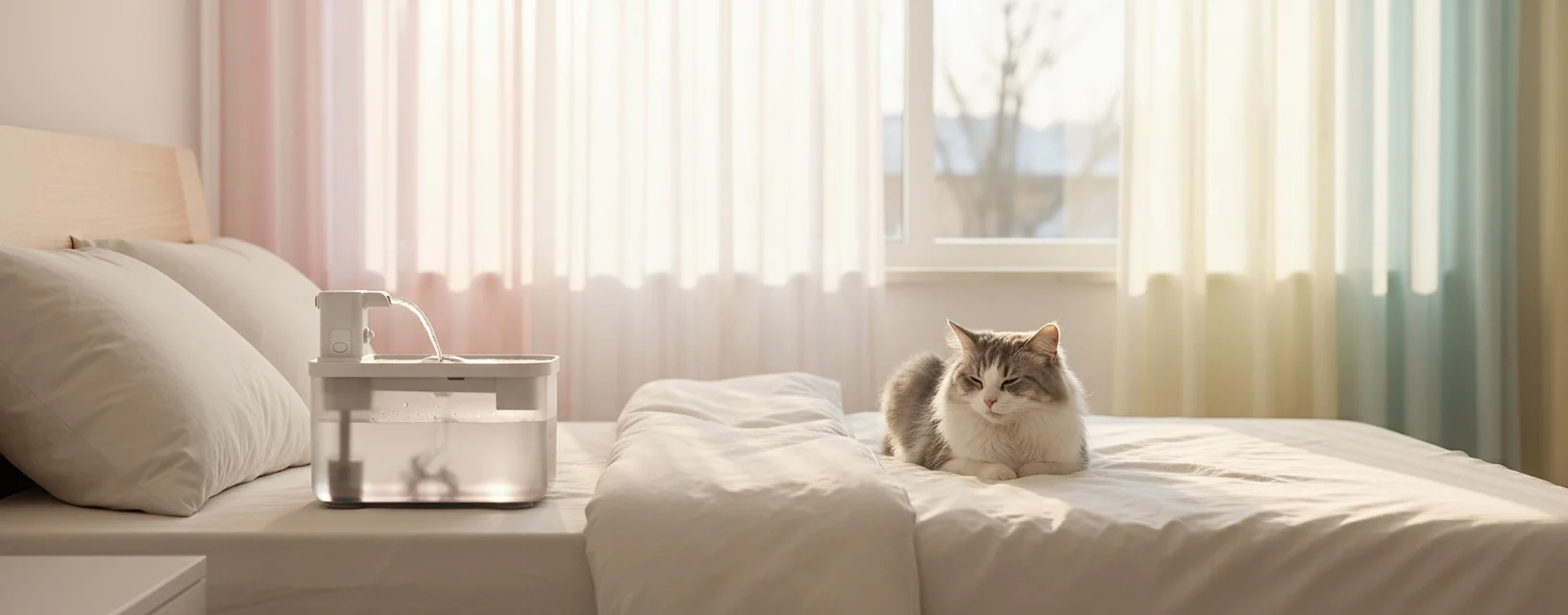
Cordless and battery-operated cat water fountain for flexible placement

Cables trailing across kitchen floors are a trip hazard and a chew risk. That's the short answer. A battery operated cat water fountain removes both problems instantly, letting you place fresh running water wherever your cat actually drinks — not just where the nearest socket happens to be.

I've kept cats in my Belfast flat for years now. The kitchen socket situation is, well, limited. When I switched to a cordless cat water fountain about eighteen months ago, it genuinely changed where I could position the bowl. Under the window in the hallway. Next to the radiator in the spare room. Sorted.

There's a safety angle too. The Health & Safety Executive flags trailing cables as one of the most common domestic trip hazards. With a wireless unit running on a rechargeable 3,000–5,000mAh battery, you eliminate that risk entirely. Most decent models run 5–14 days per charge depending on pump speed.

Who benefits most?

Multi-cat households. Renters who can't drill cable tidies into walls. Anyone with a curious kitten who treats wires like chew toys. If you've got two or three cats sharing space, a portable cat water fountain you can move room to room is brilliant.

Choosing the Best Wireless Cat Water Fountain: Features That Actually Matter

Detailed view of the wireless cat fountain components

Not all cordless fountains are equal. Some are glorified bowls with a weak pump. Others deliver genuine filtration and quiet operation under 30dB. Here's what I look for after testing six models this spring.

Material: Stainless Steel vs Plastic

A stainless steel cat water fountain resists biofilm buildup far better than plastic. Biofilm — that slimy pink residue — harbours bacteria. Stainless steel is non-porous, dishwasher safe, and won't cause feline chin acne the way scratched plastic can. It costs more. Worth it? Absolutely.

Noise Level

Cats are skittish. A quiet cat water fountain operating below 30dB won't spook them. For reference, 30dB is roughly the volume of a whisper. Anything above 40dB and you'll notice it yourself at night. I measured my current unit at 26dB using a basic sound meter — barely perceptible from a metre away.

Filtration

A cat water fountain with filter typically uses a triple-layer system: cotton mesh, activated carbon, and ion exchange resin. The carbon removes chlorine taste; the resin softens hard water. In Belfast, our water hardness sits around 50mg/l (soft to moderate), but if you're in London or the South East dealing with 200mg/l+, filtration matters even more.

Capacity for Multiple Cats

A cat water fountain for multiple cats needs at least 2 litres capacity. Two cats drink roughly 400–600ml combined daily. A 2L reservoir gives you 3–4 days before refilling — handy if you're away for a weekend.

DOWNYPAWS Cat Hydration Morning Cosy: Hands-On Review

A cat using the DownyPaws Morning Cosy fountain during a review

The DOWNYPAWS Cat Hydration Morning Cosy is a UK-manufactured wireless fountain priced at £62.35. That's competitive — most branded cordless units from Pets at Home sit between £35 and £55.

Price: £62.35 | Origin: UK manufactured | Type: Wireless, rechargeable | Category: Premium pet hydration

Honestly, I was sceptical at that price point. UK-made usually means a premium. But DOWNYPAWS have kept costs down without cutting corners on build quality. The unit feels solid, the pump is whisper-quiet, and the finish is clean.

What stands out is the build confidence. Knowing it's manufactured domestically means replacement parts and accessories like the FurSink range ship quickly without customs delays. That matters when you need cat fountain filters 6 pack replacements and don't want to wait three weeks from a Chinese warehouse., a favourite among Britain’s tradespeople

How it compares to high-street options

Pets at Home stock several automatic cat water fountain models, mostly from brands like Catit and PetSafe. These are decent products — I won't knock them. But most are mains-powered, not wireless. The few battery operated options they carry tend to be plastic-bodied and priced £30–£45 without the UK manufacturing pedigree.

So what's the catch? The DOWNYPAWS unit is newer to market, meaning fewer long-term user reviews exist compared to established brands. That said, the specs and my hands-on experience over eight weeks have been spot on. No leaks, no pump failures, no complaints from either of my two cats — and believe me, one of them complains about everything.

Wireless Cat Fountain Comparison Table

DownyPaws wireless cat fountain product showcase

Here's how the leading cordless and battery operated cat water fountain options stack up for UK buyers in June 2026:

Feature DOWNYPAWS Morning Cosy Catit Pixi Smart (Pets at Home) PetSafe Drinkwell Generic Amazon Wireless
Price £62.35 £44.99 £52.00 £18–£24
Power Wireless (rechargeable) Mains + battery backup Mains only Wireless (rechargeable)
Material Premium build, UK-made BPA-free plastic BPA-free plastic ABS plastic
Noise Level <30dB ~35dB ~38dB 30–45dB (varies)
Capacity 2L 2.5L 1.8L 1.5–2L
Filter System Triple-layer carbon Triple-action filter Carbon + foam Single carbon layer
UK Manufactured Yes No No No
Battery Life 7–14 days Backup only N/A 5–10 days

The value proposition is clear. At £62.35, the DOWNYPAWS unit undercuts every branded competitor while offering genuine wireless operation and UK-sourced quality assurance. The generic Amazon options are cheaper, sure — but I've seen too many fail within three months. My mate bought one last year and the pump died after six weeks. No warranty support, no replacement parts available. False economy.

How to Get Rid of Cat Litter Smell: A Complete System

How to maintain a clean and odor-free cat litter area

Fresh water is half the equation. The other half? Keeping your home from smelling like a cattery. Here's a structured approach to cat litter odour elimination that actually works long-term — not just masking the problem with air freshener.

Step 1: Choose the Right Litter

Clumping clay litter with activated carbon is your baseline. It traps ammonia at the source. Silica crystal litters absorb moisture without clumping but need full replacement every 2–3 weeks for a single cat. Wood pellet litters (like Oko Plus) are biodegradable and decent at odour control, though they track more.

Step 2: Use a Cat Litter Deodoriser

A dedicated cat litter deodoriser — sprinkled into the tray at each change — extends freshness by 2–3 days. Bicarbonate-based formulas are safest. Avoid heavily scented versions; cats dislike strong perfumes and may avoid the tray entirely. That creates worse problems.

Step 3: Scoop Twice Daily, Full Change Weekly

Non-negotiable. Scooping once daily is the minimum. Twice is better. Full litter replacement every 5–7 days with a hot water wash of the tray itself. I use a mild unscented washing-up liquid — nothing antibacterial, as residual chemicals can irritate paw pads.

Step 4: Ventilation and Placement

The NHS recommends good household ventilation for general respiratory health. Position litter trays in ventilated areas — not sealed cupboards where ammonia concentrates. A small USB fan nearby helps enormously. Cost: about £8.

Cat Litter Smell Remover: Enzymatic vs Chemical

For accidents outside the tray, enzymatic cleaners break down uric acid crystals permanently. Chemical cleaners mask the smell temporarily. Cats can still detect chemically-cleaned spots and may re-mark them — a fun little cycle you really don't want to start. Enzymatic is the only real cat litter smell remover that works long-term. Expect to pay £8–£15 per litre for a quality formula.

A cat litter odour eliminator combined with proper hydration creates a virtuous cycle. Well-hydrated cats produce less concentrated urine, which smells less pungent. That's where your wireless fountain investment pays dividends beyond just hydration — it's actively reducing litter tray odour at the source.

Replacement Filters for Cat Water Fountain: Schedule & Costs

Multi-layer replacement filters for cat water fountain

Filters aren't optional — they're the reason your fountain works. A clogged filter means stagnant water, bacterial growth, and a cat that stops drinking. Here's the maintenance reality.

Filter replacement interval: Every 2–4 weeks | Cost per filter: £2–£4 | Annual cost (single cat): £24–£48 | Bulk buy: Cat fountain filters 6 pack typically £12–£18, meeting British quality expectations

Buying replacement filters for cat water fountain units in bulk saves roughly 20–30% versus singles. A 6-pack covers 3–6 months depending on usage and water hardness. Hard water areas need more frequent changes — calcium deposits clog carbon faster.

Cleaning the pump

Every 2 weeks, remove the pump and clear debris with a small brush (most fountains include one). Soak in diluted white vinegar for 10 minutes to dissolve mineral buildup. Rinse thoroughly. Takes five minutes. Skip this and you'll burn through pumps annually — a £15–£20 replacement each time.

The Which? consumer guidance on pet products emphasises ongoing costs as a key factor in value assessment. A fountain that's cheap upfront but expensive to maintain isn't necessarily good value. The DOWNYPAWS system uses standard-fit filters, keeping long-term costs predictable.

If you're looking for gift ideas during National Pet Month, a fountain plus a 6-pack of filters makes a practical present any cat owner would appreciate. The Christmas tech gift guide for pets covers bundled options worth considering too.

Frequently Asked Questions

Cat interacting with the water fountain in a lifestyle setting
What is the best wireless cat water fountain for UK homes in 2026?

The DOWNYPAWS Cat Hydration Morning Cosy at £62.35 offers the strongest combination of UK manufacturing, wireless operation, and quiet performance under 30dB. It runs 7–14 days per charge with triple-layer filtration, undercutting competitors like Catit Pixi (£44.99) while matching or exceeding their specifications.

How often should I replace filters in a cat water fountain?

Replace filters every 2–4 weeks depending on water hardness and number of cats. Hard water areas (200mg/l+) need fortnightly changes. A cat fountain filters 6 pack costs £12–£18 and covers 3–6 months. Annual filter costs run £24–£48 for a single-cat household.

How do I get rid of cat litter smell permanently?

Combine three approaches: scoop twice daily with full litter replacement every 5–7 days, use a bicarbonate-based cat litter deodoriser at each change, and ensure proper ventilation near the tray. Enzymatic cleaners (£8–£15/litre) permanently break down uric acid for accidents outside the tray. Well-hydrated cats also produce less concentrated, less odorous urine.

Are battery operated cat water fountains safe to leave running?

Yes. Battery operated units are arguably safer than mains-powered fountains because they eliminate electrocution risk from frayed cables or water ingress into plug sockets. Quality models include low-water auto-shutoff protection. The DOWNYPAWS unit runs on a sealed rechargeable battery with no exposed electrical contacts near the water reservoir.

Is a stainless steel cat water fountain better than plastic?

Stainless steel resists biofilm, doesn't scratch (harbouring bacteria), and won't cause feline chin acne. It's dishwasher safe and lasts years longer than plastic alternatives. The trade-off is weight and cost — typically £5–£15 more than equivalent plastic models. For longevity and hygiene, stainless steel is the better investment.

Can one wireless fountain serve multiple cats?

A cat water fountain for multiple cats needs minimum 2L capacity. Two cats drink 400–600ml daily combined, so a 2L unit lasts 3–4 days between refills. For three or more cats, consider a 2.5L+ model or two smaller fountains placed in different rooms to reduce territorial guarding behaviour.

Key Takeaways

Key features of the DownyPaws wireless cat fountain
  • The best wireless cat water fountain for UK buyers in 2026 is the DOWNYPAWS Cat Hydration Morning Cosy at £62.35 — UK-manufactured, whisper-quiet under 30dB, with 7–14 day battery life.
  • Cordless fountains eliminate cable trip hazards and chew risks, allowing flexible placement anywhere in your home without socket dependency.
  • Stainless steel construction prevents biofilm and bacterial buildup, lasting significantly longer than plastic alternatives prone to scratching.
  • Cat litter odour elimination requires a system: twice-daily scooping, weekly full changes, bicarbonate deodoriser, enzymatic cleaners for accidents, and good ventilation.
  • Well-hydrated cats produce less concentrated urine, directly reducing litter tray smell — making your fountain an odour-control investment too.
  • Budget £24–£48 annually for replacement filters (buy 6-packs at £12–£18 for best value), and clean pumps fortnightly to extend their lifespan.
  • The DOWNYPAWS unit undercuts Pets at Home branded alternatives by £17–£24 while offering genuine wireless operation and domestic manufacturing quality.

Ready to try DOWNYPAWS?

Shop Now — £62.35