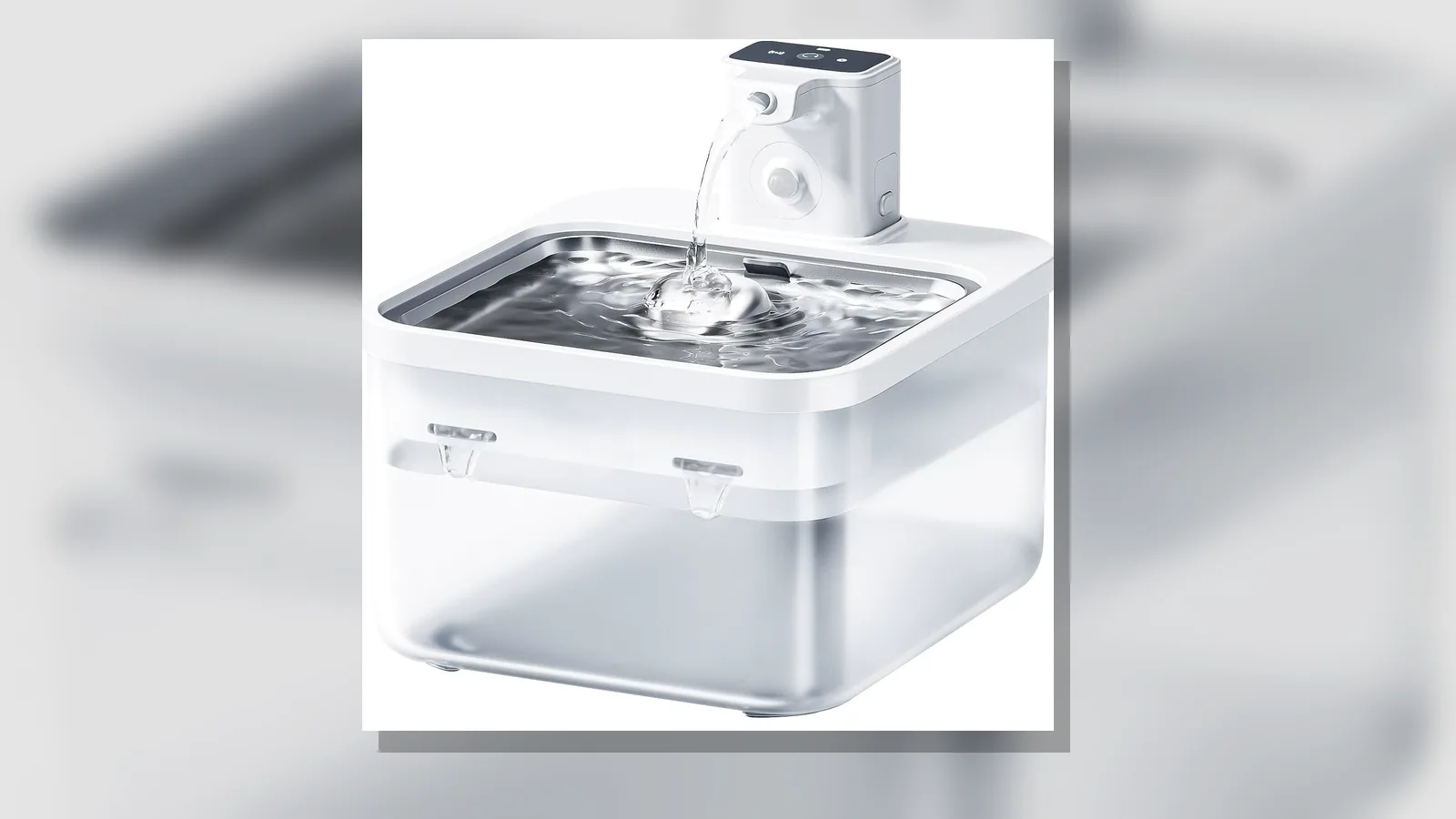
Cat Water Fountain Low Water Noise: Check the Water Level First
If you notice cat water fountain low water noise, check the water level first. A unit running with too little water often sounds different before anything else needs attention, so a calm top-up and visual check is the safest first step.
Direct first check
Unplug the fountain if you need to move it, then look at the water level in the bowl or reservoir. Top up with fresh water if it is low, restore power, and listen again from a short distance. If the sound settles after a refill, low water was the likely cause.
Why low water can change noise
When the water line drops, the pump may draw air or work against a shallower pool. That can create humming, gurgling or a more noticeable vibration through the base. This is a practical household check, not a diagnosis of a fault or a claim about any particular model’s volume.
Safe top-up and inspection
Use clean, fresh water and avoid overfilling past the unit’s marked maximum if one is shown on the product. Wipe spills from the base and the surface underneath so the fountain sits steadily. Use confirmed details fixed cleaning intervals: if the water looks cloudy, or you can see hair or debris near the intake, clean on that condition and check any filter according to what you can see and what the maker’s instructions say when you have them.
Hair, debris and vibration checks
Hair and debris around the intake or pump area can add extra sound even when the water level is fine. Gently clear what you can see after switching off and unplugging. International Cat Care’s carer guide also notes a rubber mat under a fountain can help reduce vibration noise transmitted into hard floors. Place the fountain somewhere quiet and easy for the cat to reach, and introduce any change gradually.
Cats Protection advises offering more than one fresh water source, kept away from food and litter, and notes that some cats prefer running water. That context helps when you are deciding where the fountain sits, not how loud it should be.
When to switch off
Switch off and unplug if you smell burning, see leaking into electrical areas, hear grinding that continues after a refill and clear-out, or notice the unit running dry again soon after topping up. Leave it off until you can inspect it safely or seek help from the seller or a qualified person. Do not keep running a fountain that is empty or unstable.
Observe the cat's response
After you restore a steady, quiet set-up, watch whether your cat still approaches the fountain as usual. International Cat Care recommends quiet, accessible water locations, gradual changes, and contacting a veterinary team when drinking changes are concerning. Do not treat fountain noise troubleshooting as hydration treatment or as advice about kidney health or disease prevention.
Next step
If you are reviewing this fountain for your home set-up, you can check the current product details. The publicly confirmed warranty term for this offer is 12 months; coverage start dates, exclusions and returns detail are not restated here.
FAQ
Why does a cat fountain sound louder when the water is low?
Low water can let the pump draw air or vibrate more through the base, which often changes the sound before you see an obvious fault. Refill and reassess before assuming the unit needs replacing.
What should I check after a top-up if humming continues?
Confirm the fountain is level, clear visible hair or debris near the intake, and consider a rubber mat if vibration on a hard floor is noticeable. Clean and check filters when they look soiled rather than on an invented schedule.
When should drinking changes mean a vet call?
If your cat’s drinking pattern changes in a way that worries you, contact a veterinary team. Fountain placement and freshness support everyday care; they do not replace professional advice.