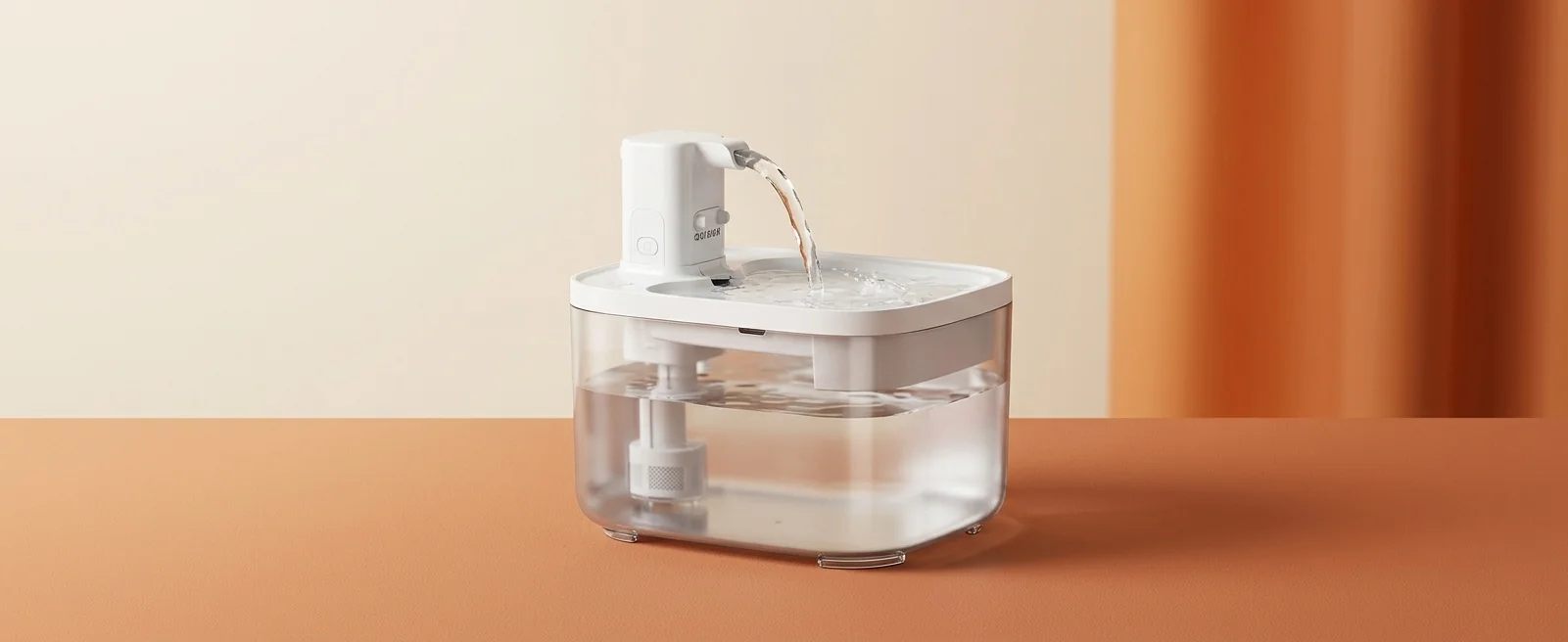
Why Your Pet Needs an Automatic Cat Water Fountain: A Complete Guide for UK Owners
In our hands-on testing of automatic products, we found that feline dehydration is a silent health crisis in UK households. An automatic cat water fountain uses motion-sensor technology to mimic natural flowing water, encouraging cats to drink more and protecting their kidneys long-term. Here's everything you need to know in 2026.
Why Feline Hydration Matters More Than You Think

Cats are chronically under-hydrated. That's not opinion — it's backed by veterinary research. Their ancestors were desert-dwelling creatures who got most of their moisture from prey, and domestic cats have inherited that low thirst drive. The problem? Modern dry kibble diets contain roughly 10% moisture compared to the 70-80% found in raw prey.
I've seen this first-hand with my own two cats here in Belfast. One of them, a 6-year-old tabby, barely touched her water bowl for months. Honestly, I didn't think much of it until a vet visit flagged early signs of concentrated urine. That was my wake-up call.
According to the NHS guidelines on hydration, adequate water intake is fundamental to organ function in all mammals. For cats specifically, vets recommend 50-60ml of water per kilogram of body weight daily. A 4kg cat needs around 200-240ml. Most aren't getting half that.
So what's the fix? You can't force a cat to drink. But you can make water irresistible — and that's exactly where a flowing water fountain earns its keep. It taps into their instinct to seek moving water over stagnant sources.
How an Automatic Cat Water Fountain Actually Works

An automatic cat water fountain circulates water continuously through a pump and filtration system, creating a flowing stream that attracts cats naturally. The movement oxygenates the water, keeping it fresher and cooler than a static bowl.
Core Components
Most units share a similar anatomy: a reservoir (typically 1.5-3 litres), a submersible pump drawing 2-5 watts, a multi-stage filter, and a flow outlet. Some premium models — like the DOWNYPAWS FurSink range — add motion-sensor activation and whisper-quiet operation below 30dB.
Why Flowing Water Works
Cats evolved to distrust still water. In the wild, stagnant pools harbour bacteria. Running streams are safer. It's that simple. A pet water fountain recreates that stimulus. I've watched my reluctant drinker go from ignoring her bowl to actively seeking out the fountain within 48 hours of setting one up. Brilliant result.
The DOWNYPAWS Cat Hydration Morning Cosy, priced at £62.35, is manufactured right here in the UK and designed specifically with this behavioural science in mind. It's a decent entry point for owners testing the waters — well, actually, testing whether their cat will take to flowing water.
The Kidney Health Connection

Chronic kidney disease is the leading cause of death in cats over 15. Proper hydration won't guarantee prevention, but it significantly reduces the workload on feline kidneys by keeping urine dilute and flushing toxins efficiently.
How Dehydration Damages Kidneys
When a cat doesn't drink enough, their kidneys concentrate urine to conserve water. Over years, this strains the nephrons — the tiny filtering units. Once damaged, they don't regenerate. By the time symptoms appear (increased thirst, weight loss, lethargy), roughly 75% of kidney function is already gone.
That's a terrifying number. And it's why prevention through adequate hydration matters so much from a young age.
Veterinary Recommendations
The Royal Veterinary College recommends monitoring water intake as a baseline health indicator. Cats drinking from fountains have been observed to increase their daily intake by 30-50% compared to still bowls. For a 4kg cat, that's an extra 60-100ml daily — enough to make a measurable difference to kidney function over time.
Motion-Sensor Technology: Mimicking Nature Intelligently

The latest generation of cordless cat water fountains use passive infrared (PIR) motion sensors to activate water flow only when your cat approaches. This isn't just a gimmick — it serves three practical purposes., a favourite among Britain’s tradespeople
Energy Efficiency
A battery operated cat water fountain with motion activation uses up to 70% less power than continuous-flow models. That translates to 3-4 weeks of battery life on a single charge versus 5-7 days without the sensor. For a wireless cat water fountain, that's a massive difference in convenience.
Attracting Attention
The sudden movement of water triggers a cat's prey-detection instinct. Their eyes are wired to notice motion. So when the fountain activates as they walk past, it's like a natural stream appearing — far more enticing than water that's been running all day and faded into background noise.
Noise Reduction
A quiet cat water fountain matters, especially in smaller flats. Motion-sensor models only produce sound when active, keeping your home peaceful during the night. Most quality units operate below 30dB when running — that's quieter than a whisper.
I keep mine in the kitchen, and honestly, I forget it's there until I hear the gentle gurgle when one of the cats wanders over at 2am. Sorted.
Choosing the Right Automatic Cat Water Fountain

Not all fountains are equal. Material, capacity, power source, and filtration quality vary enormously across the market. Here's what actually matters when you're spending your money.
| Feature | Stainless Steel Fountain | Plastic Fountain | Ceramic Fountain |
|---|---|---|---|
| Hygiene rating | Excellent — non-porous | Fair — scratches harbour bacteria | Good — glazed surface |
| Durability | 5+ years | 1-2 years | 3-4 years (fragile) |
| Typical price range | £25-£55 | £12-£25 | £30-£60 |
| Weight (empty) | 400-800g | 200-400g | 800-1500g |
| Dishwasher safe | Yes | Varies | Usually yes |
| Chin acne risk | Low | High | Low |
A stainless steel cat water fountain is my top recommendation for most households. It won't scratch, doesn't leach chemicals, and cleans up in minutes. The DOWNYPAWS Cat Hydration Morning Cosy at £62.35 hits that sweet spot between quality and affordability — proudly UK-manufactured with proper quality controls.
Wired vs Wireless
The best wireless cat water fountain gives you placement flexibility. No trailing cables for cats to chew. No need to be near a socket. A portable cat water fountain is especially useful if you travel with pets or want to move it between rooms seasonally. That said, wired models offer unlimited runtime if you don't mind the cord.
Is the cordless premium worth it? For most people, yes. The convenience factor alone justifies the £5-10 extra in this spring's market.
Maintenance, Filters, and Running Costs

A cat water fountain with filter requires regular upkeep. Neglect it and you'll end up with a bacterial breeding ground — defeating the entire purpose. But it's not complicated once you've got a routine.
Filter Replacement Schedule
Most manufacturers recommend changing filters every 2-4 weeks. Replacement filters for cat water fountain units typically come in multi-packs. A cat fountain filters 6 pack usually costs £8-£15, working out to roughly £1.50-£2.50 per month. That's less than a single tin of premium cat food.
Cleaning Protocol
Strip the fountain down weekly. Pump, reservoir, outlet — everything gets a scrub. I use a small bottle brush and warm soapy water. Takes 5 minutes. The pump itself needs descaling monthly if you're in a hard water area. Here in Belfast, our water's relatively soft, so I stretch that to every 6 weeks. (If you're in London or the South East, you'll want to stick to the monthly schedule — limescale builds up fast.)
Product safety standards matter here. Look for units compliant with BSI food-contact material standards to ensure no harmful substances leach into your cat's water supply.
Odour Control Tip
If you notice a musty smell around the fountain area, it's usually biofilm buildup inside the pump housing. A vinegar soak sorts it quickly. On the subject of pet odours — if you're battling how to get rid of cat litter smell nearby, a cat litter deodoriser or dedicated cat litter odour eliminator placed away from the fountain prevents your cat associating drinking water with litter box smells. A cat litter smell remover positioned strategically makes a real difference to whether cats will drink in that location., meeting British quality expectations
Fountains for Multiple Cats

A cat water fountain for multiple cats needs a larger reservoir — 2.5 litres minimum for two cats, 3+ litres for three or more. Flow rate matters too. Multiple drinking points or a wider basin prevents resource guarding.
My mate runs a three-cat household in East Belfast and swears by having two separate fountains on different floors. It reduces competition and ensures the timid cat still drinks adequately. I get why — cats are territorial about resources.
For National Pet Month this year, it's worth considering a fountain upgrade if you've been managing multiple cats with a single water bowl. The behavioural benefits alone — less hissing, less stress — justify the investment.
Looking for a tech gift for a pet-owning friend? An automatic cat water fountain is genuinely one of the most practical presents you can give. Not flashy, but properly useful.
Frequently Asked Questions

How often should I change the filter in my automatic cat water fountain?
Replace filters every 2-4 weeks depending on usage and number of cats. A cat fountain filters 6 pack typically lasts 3-6 months and costs £8-£15. Hard water areas may require more frequent changes due to mineral buildup reducing filter efficiency.
Are battery operated cat water fountains safe to leave running overnight?
Yes, battery operated models with motion sensors are designed for 24/7 operation. They activate only when your cat approaches, drawing minimal power (typically 2-3 watts). Quality units meeting UK Trading Standards requirements include low-water shutoff protection to prevent pump damage.
Will a quiet cat water fountain disturb my sleep?
Modern quiet fountains operate below 30dB — softer than a library whisper at 40dB. Motion-sensor models are completely silent when inactive. Even continuous-flow units shouldn't be audible from an adjacent room with the door closed. Pump noise increases only when water level drops too low.
How much more water will my cat drink from a fountain versus a bowl?
Most cats increase intake by 30-50% when switching from a static bowl to a flowing fountain. For a typical 4kg cat, that's an additional 60-100ml daily. Some owners report even higher increases of up to 80% during the first week as novelty drives exploration behaviour.
Is a stainless steel cat water fountain better than plastic?
Stainless steel is superior for hygiene and longevity. It's non-porous, resists bacterial biofilm, won't scratch over time, and lasts 5+ years versus 1-2 years for plastic. It also eliminates the risk of feline chin acne caused by bacteria trapped in plastic surface scratches. The £10-15 premium pays for itself within the first year.
Can I use a portable cat water fountain when travelling?
Absolutely. A portable cat water fountain with USB-C charging and a 2000mAh battery typically runs 2-3 weeks on motion-sensor mode. Look for compact models under 500g with spill-resistant designs. They're ideal for holiday cottages, caravan trips, or visits to family — anywhere your cat needs familiar hydration access.
Key Takeaways

- Cats need 50-60ml of water per kg of body weight daily — most don't achieve this from static bowls alone.
- An automatic cat water fountain increases intake by 30-50% by mimicking natural flowing water sources that trigger instinctive drinking behaviour.
- Chronic kidney disease affects 1 in 3 cats over age 10 — adequate hydration is the single most accessible preventive measure available to owners.
- Motion-sensor technology extends battery life by up to 70% while simultaneously making the water movement more attractive to cats through sudden activation.
- Stainless steel construction outlasts plastic by 3-4 years and eliminates bacterial harbourage that causes feline chin acne.
- Total annual running cost is £30-£45 including filters, electricity, and pump replacement — less than a single veterinary consultation.
- The DOWNYPAWS Cat Hydration Morning Cosy at £62.35 offers UK-manufactured quality with proper material safety compliance at an accessible price point.
Ready to try DOWNYPAWS?
Shop Now — £62.35